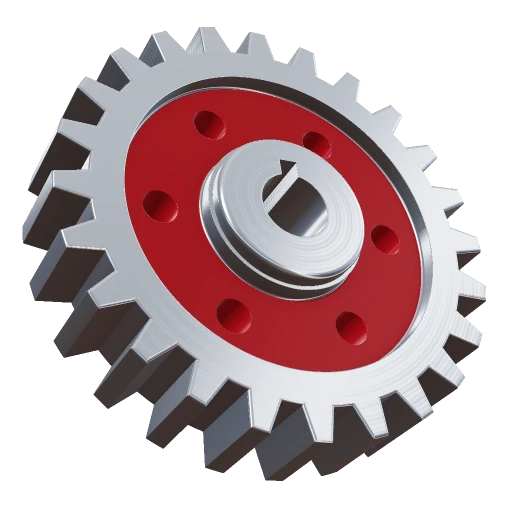
Spur gears
Straight teeth on parallel shafts. The most common gear there is.
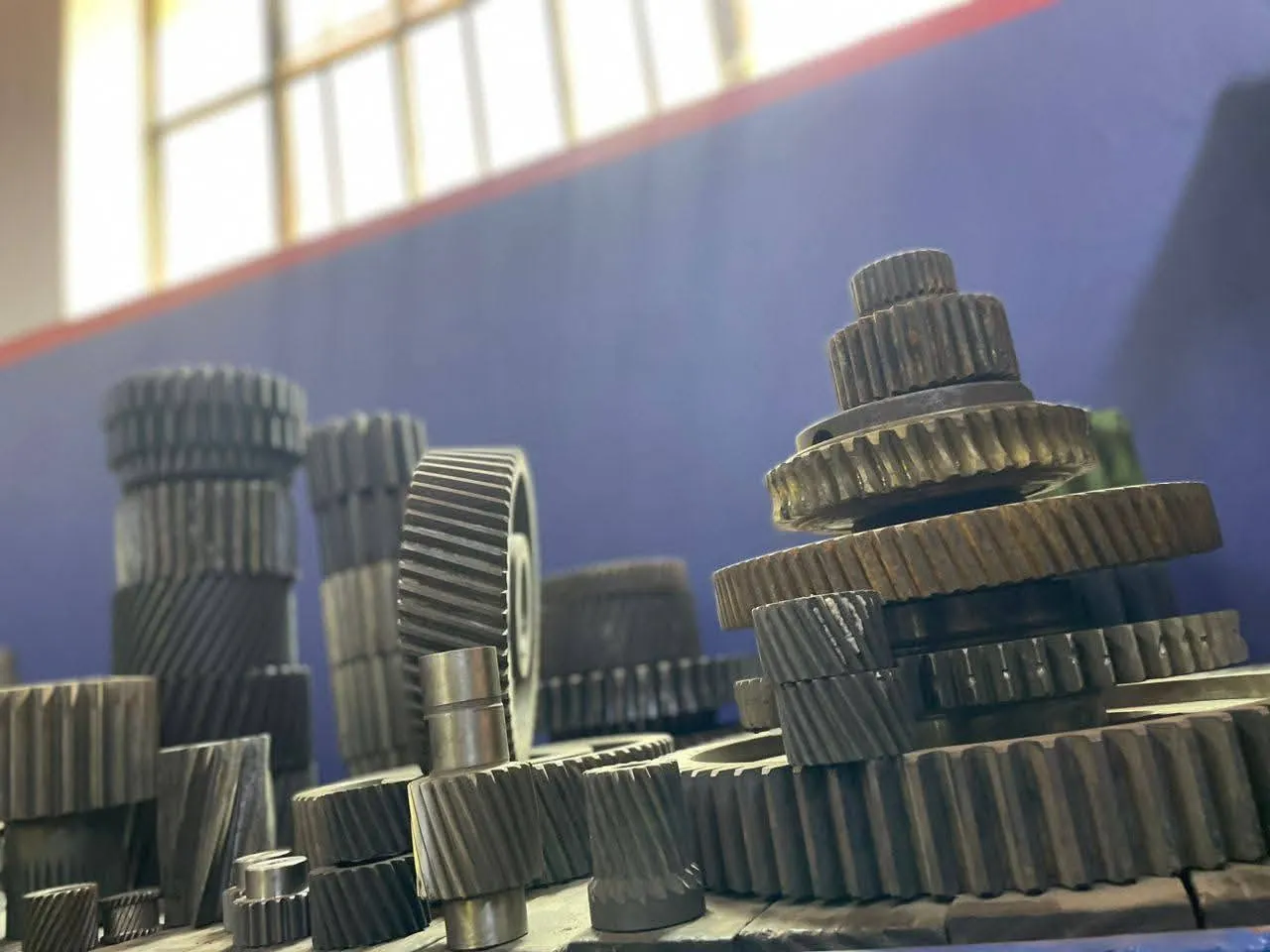
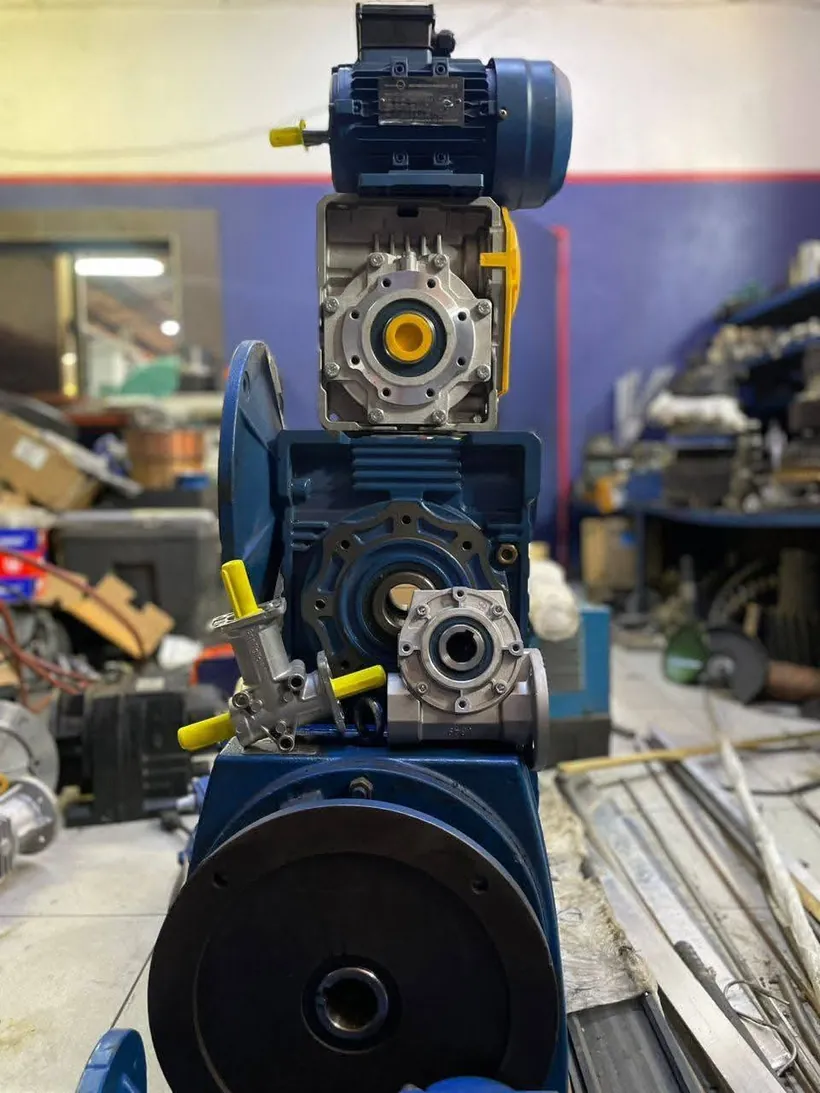
We supply and repair the full family of gears, made to the ISO and JIS standards or to your own specification.
Not sure which you need? Send us the old part and we will identify it. These studio renders show how each type works.
Straight teeth on parallel shafts. The most common gear there is.
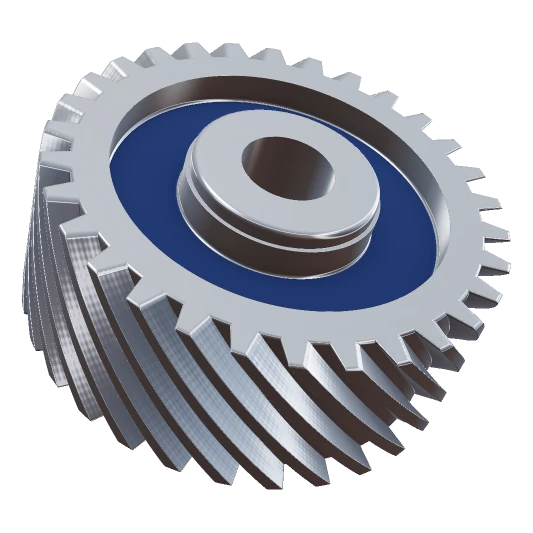
Angled teeth engage gradually, for smoother and quieter running.
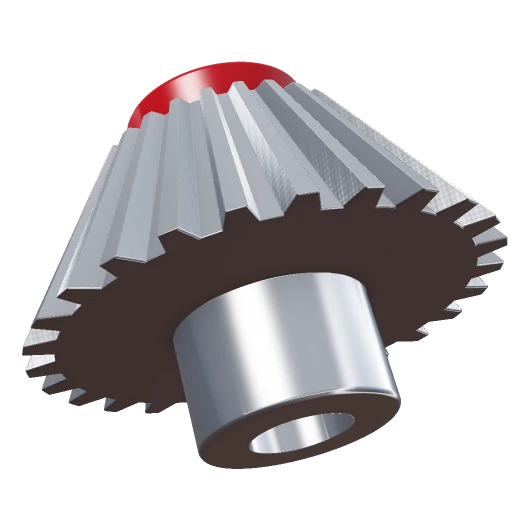
Turn the drive through 90 degrees. Available straight or spiral cut.
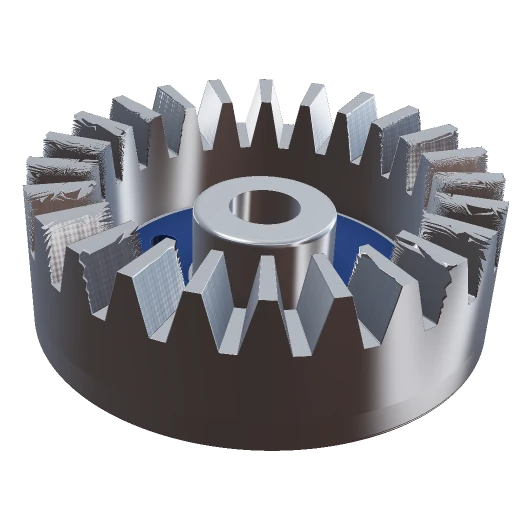
Teeth stand at right angles to the wheel, like the points on a crown.
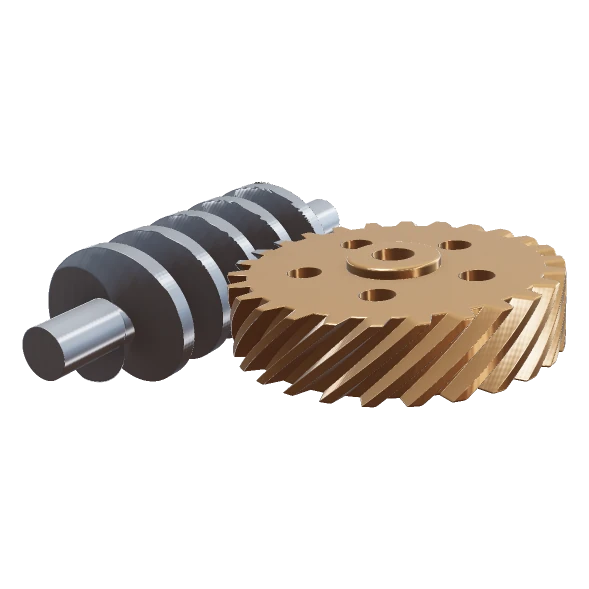
A compact way to get high torque at low speed.
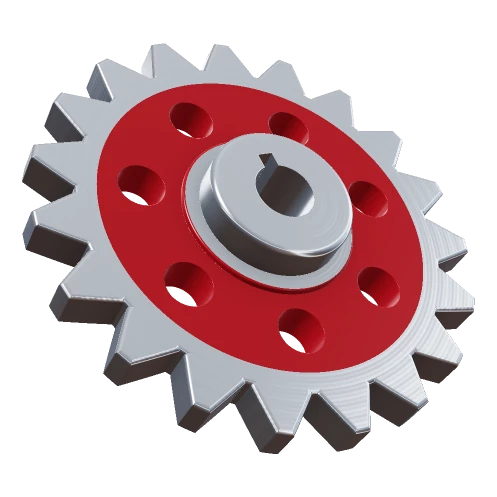
Chain drives for where slippage is not acceptable.
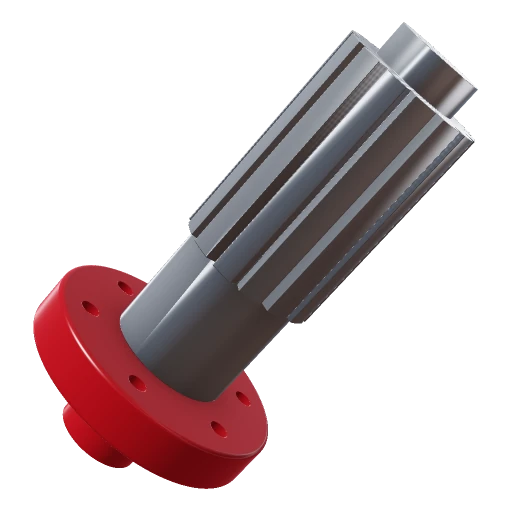
Involute or straight-sided, cut by hobbing or shaping.
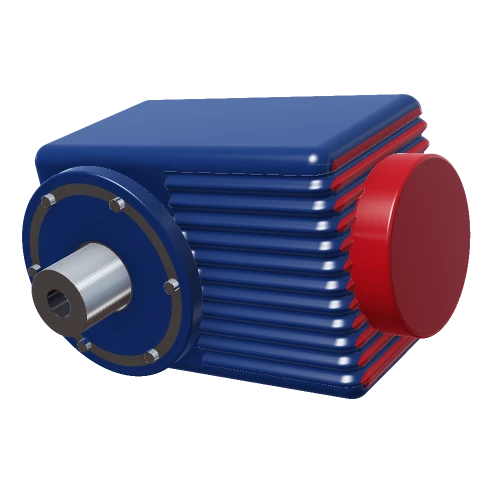
Bevel, Radicon, helical, spur and worm reduction units.
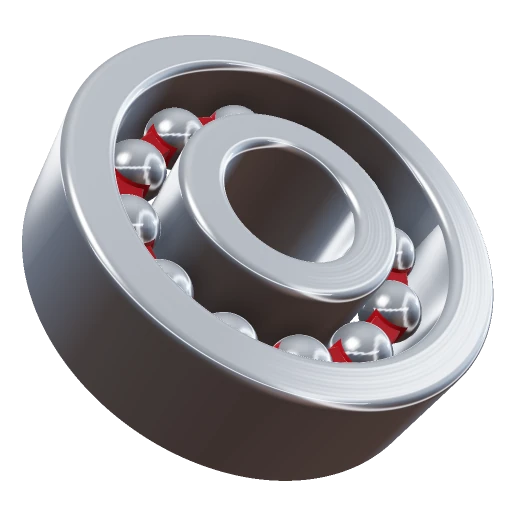
Bearings, seals, couplings and shafts fitted as part of a full rebuild.
Slide the values to see how tooth count trades speed for torque. Use it for a first estimate, then let us check the numbers.
Torque (Nm) = 9550 × power (kW) × efficiency ÷ output speed (rpm). Efficiency figures are typical for one stage, not a design guarantee.
Typical ratio per stage, on a logarithmic scale. Worm sets reach reductions that would take several stages of other gears.
| Gear type | Typical single-stage ratio |
|---|---|
| Spur | 1:1 to 6:1 |
| Helical | 1:1 to 10:1 |
| Bevel | 1:1 to 6:1 |
| Worm | 10:1 to 500:1 |
We can make any component you need from a given sample or drawing, in grey cast iron, alloy steel, aluminium or stainless steel.
Send us the part